



The Unspoken Truth About Military Service in America
 For many Americans, especially those from impoverished areas, joining the military is not a calling, but a pathway out of poverty. This unspoken truth has been woven into the fabric of our nation's history, yet it remains largely overlooked in conversations about military service.
A Personal Story of Sacrifice and Opportunity
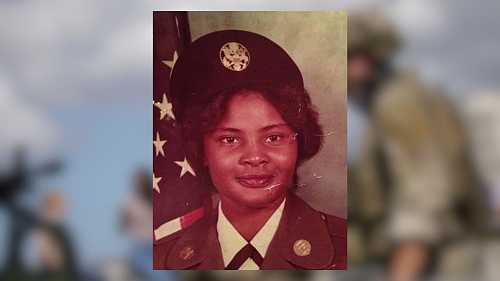
Yulanda Curtis, a clinical professor at the University of Illinois College of Law and director of the Veterans Legal Clinic, shares her mother's story as a testament to the transformative power of military service. Born in Clarksdale, Mississippi, Curtis' mother grew up in a small city with limited resources, where basic amenities like movie theaters were scarce. At 17, she enlisted in the U.S. Army, paving the way for a career that would span two decades and provide opportunities for her family.
The Intertwining of Military Service and Economic Inequality
Curtis highlights the often-overlooked connection between military service and economic inequality in America. She notes that rural communities, particularly in the South, face persistent disinvestment, with limited access to hospitals, grocery stores, and cultural institutions. For many young people from these areas, joining the military becomes a means of escaping poverty and accessing better education and career opportunities.
A Nation's History of Economic Disparities
The United States has long been shaped by individuals who leave their homes in search of a better life. Curtis' mother, like many others, carried her home with her as she built a new life far from it. This phenomenon is not unique to the military; migration and mobility have always played a significant role in shaping American society. However, the economic disparities that drive these decisions remain a pressing issue.
A Call for Recognition and Understanding
As we approach our nation's 250th anniversary celebration, Curtis urges us to acknowledge the complex relationships between military service, economic inequality, and social mobility. By recognizing the sacrifices made by individuals like her mother, we can work towards creating a more equitable society where opportunities are accessible to all.
The story of Yulanda Curtis' mother serves as a powerful reminder that military service is often a pathway out of poverty for many Americans. As we reflect on our nation's history and the sacrifices made by those who serve, let us also acknowledge the economic disparities that drive these decisions. By working together to address these inequalities, we can build a more just and equitable society for all.
#Lifestyle #Veterans #Featured #BlackVeterans #Opinion #Poverty